About San Lorenzo
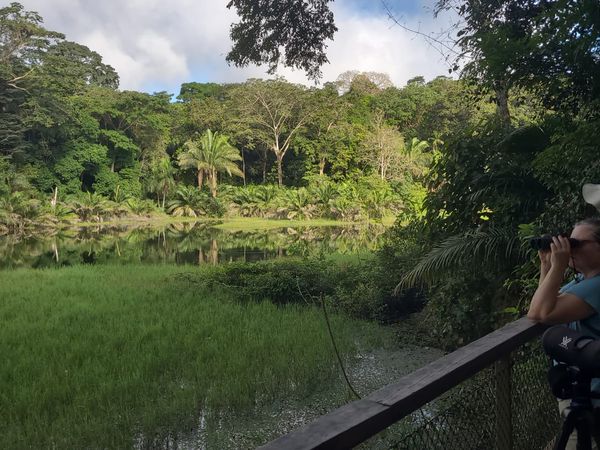
San Lorenzo National Park covers the forest of the former Fort Sherman on Panama's Caribbean side, in Colón Province, west of the Panama Canal. We leave Panama City at 5:30 am, cross the Canal on the Atlantic Bridge and bird the road through the park in the best hours of the morning.
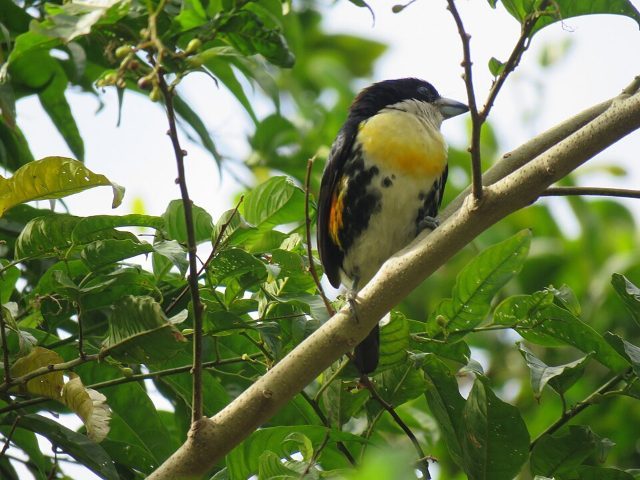
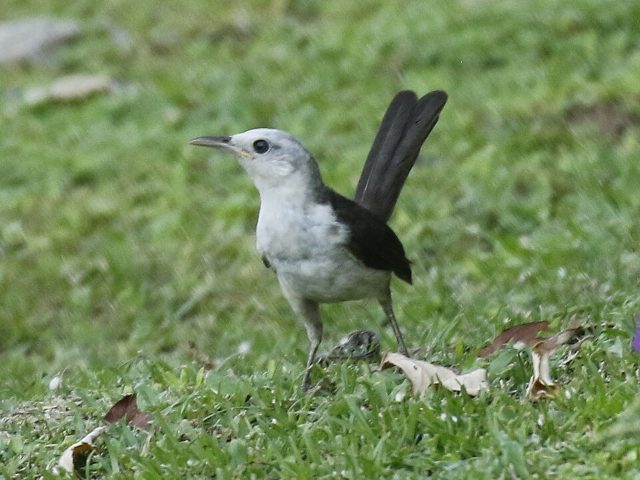
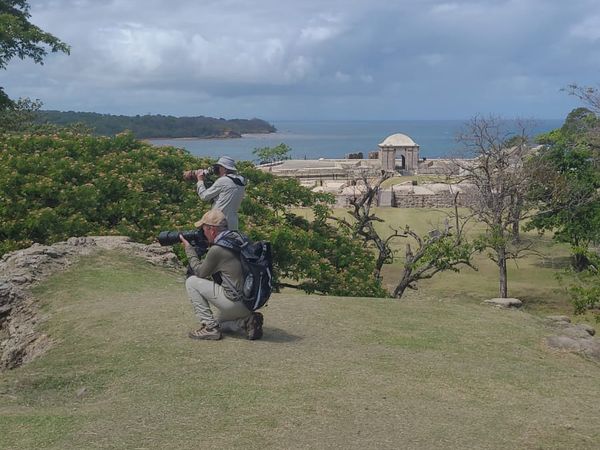
The forest here is wetter than on the Pacific side, with Caribbean-slope birds such as Spot-crowned Barbet, White-headed Wren and Blue Cotinga, and raptors soaring over the canopy. We end the morning at Fort San Lorenzo, built by the Spanish on a cliff above the mouth of the Chagres River, with wide views over the river and the sea, where frigatebirds and pelicans pass by.
Fort San Lorenzo is part of the UNESCO World Heritage Site “Fortifications on the Caribbean Side of Panama: Portobelo-San Lorenzo”. Park and fort entry fees are included. Want Achiote Road too? Our full-day Achiote Road & San Lorenzo tour birds both.
What to expect
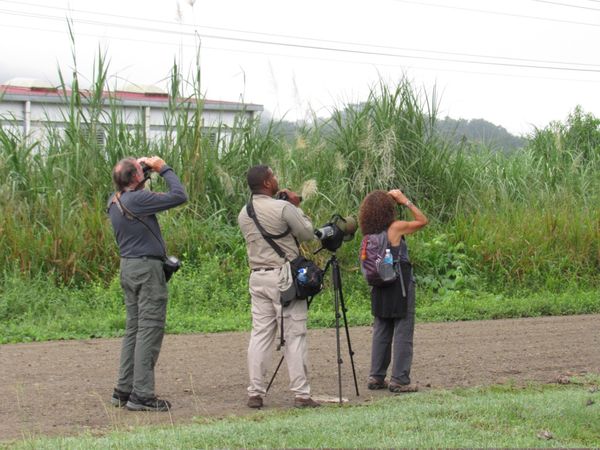
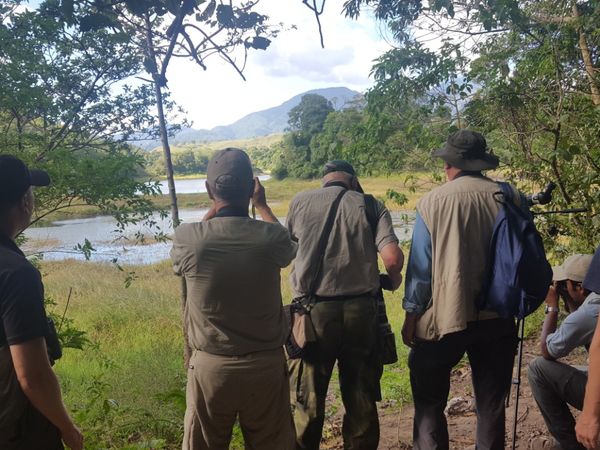
A relaxed morning of forest birding, with a good chance of raptors over the canopy and seabirds at the fort.
Birds to look for
This list comes from our own tours, plus sightings shared by friends and clients. It changes all the time, so send us your sightings at info@guidedbirdtours.com. For everything else, see the full Panama bird list.
Specialties
- Spot-crowned Barbet
- White-headed Wren
- Blue Cotinga
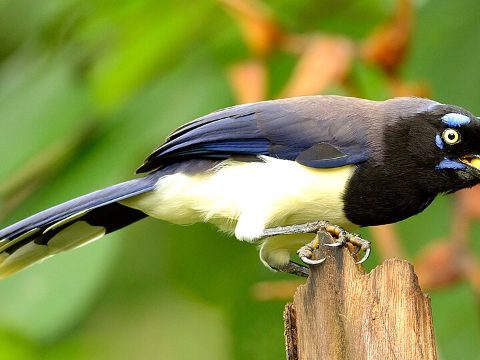
- Black-chested Jay
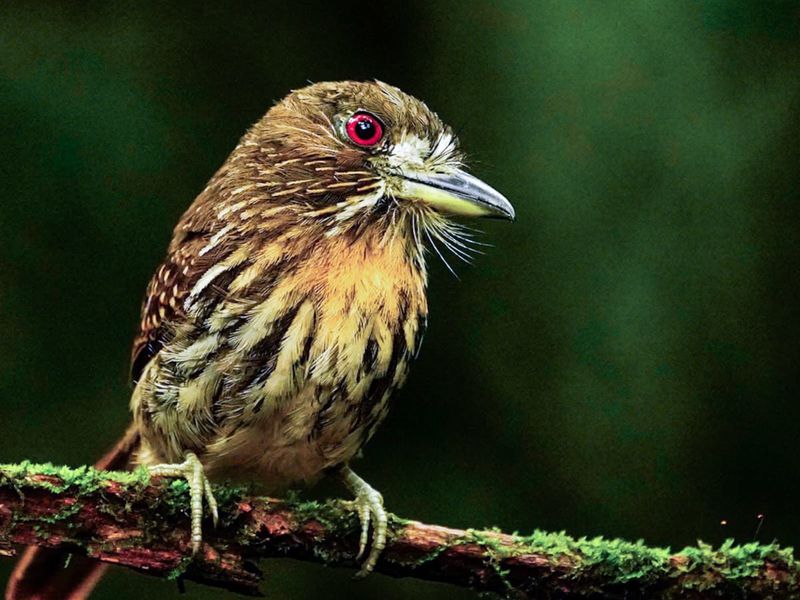
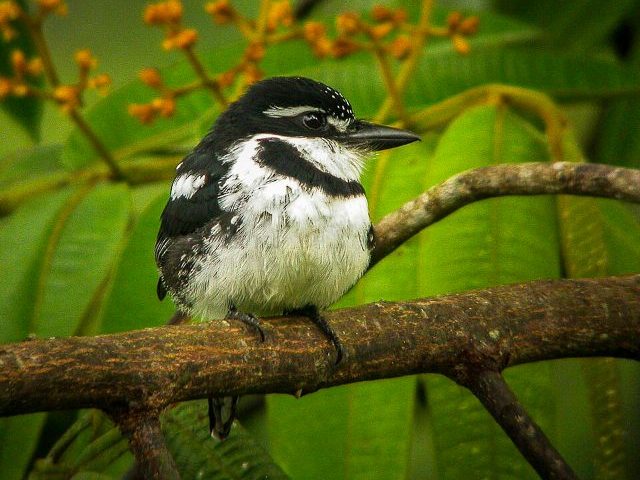
- Pied Puffbird
- Long-tailed Tyrant
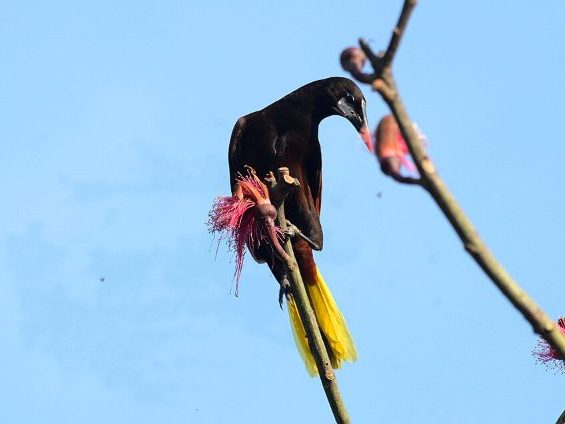
- Montezuma Oropendola
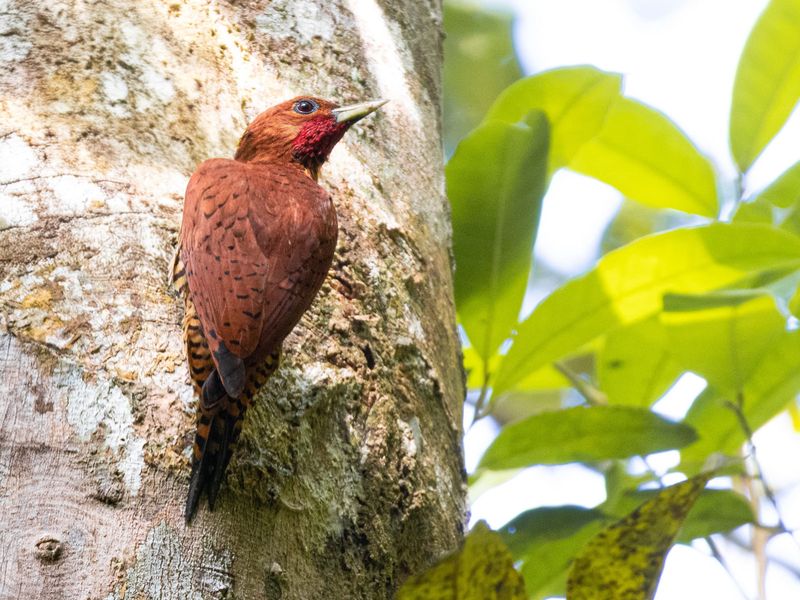
- Cinnamon Woodpecker
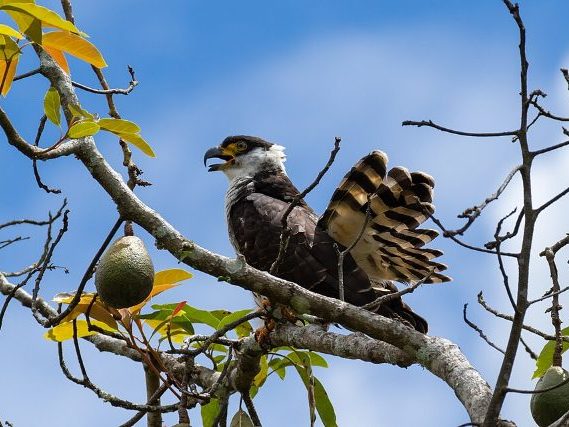
- Hook-billed Kite
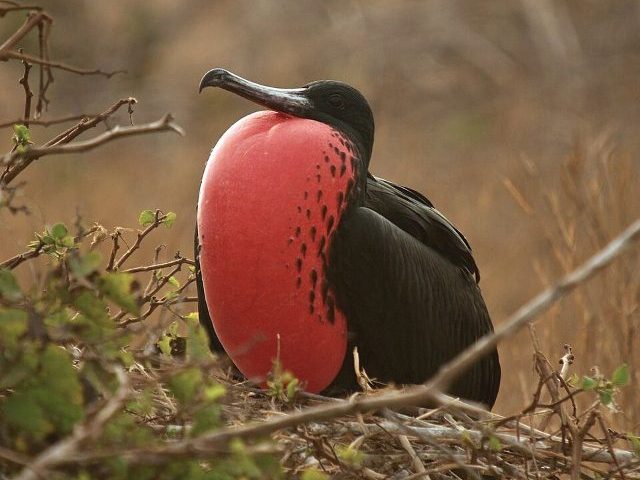
- Magnificent Frigatebird
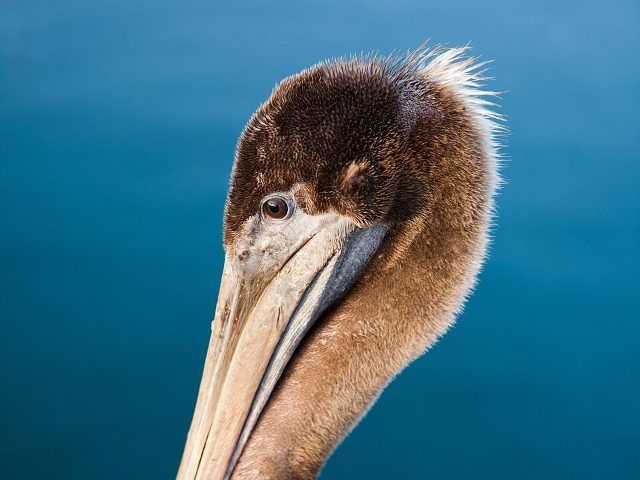
- Brown Pelican
Also look for
- White Hawk
- Plumbeous Hawk
- Gray Hawk
- Double-toothed Kite
- Pale-vented Pigeon
- Squirrel Cuckoo
- Rufous-breasted Hermit
- Slaty-tailed Trogon
- Violaceous Trogon
- Green Kingfisher
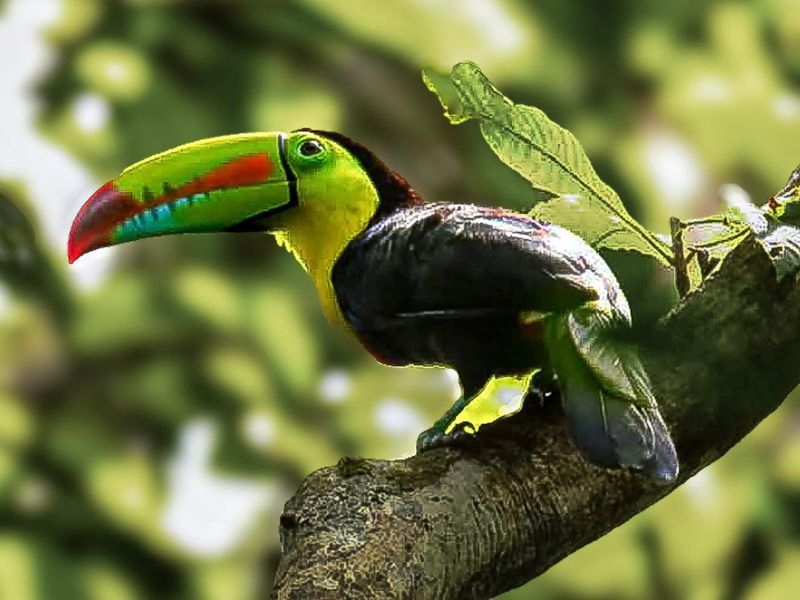
- Keel-billed Toucan
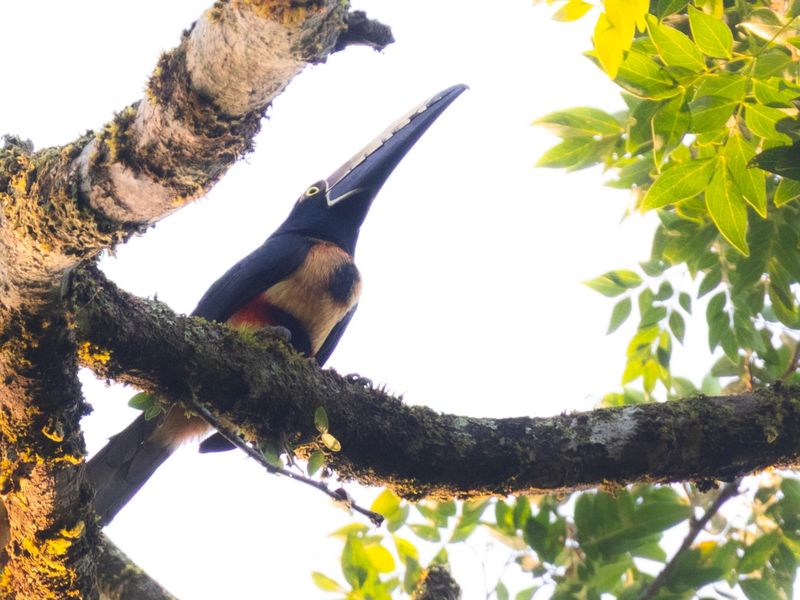
- Collared Aracari
- Wedge-billed Woodcreeper
- Cocoa Woodcreeper
- Barred Antshrike
- Chestnut-backed Antbird
- White-necked Puffbird
- Black-breasted Puffbird
- Boat-billed Flycatcher
- Black-headed Tody-Flycatcher
- Brownish Twistwing
- White-winged Becard
- Cinnamon Becard
- Masked Tityra
- Purple-throated Fruitcrow
- Golden-collared Manakin
- Bay Wren
- Black-bellied Wren
- Northern Waterthrush
- Thick-billed Euphonia
- Gray-headed Tanager
- Dusky-faced Tanager
- Buff-throated Saltator
- Yellow-rumped Cacique
- Crested Oropendola
What have we seen lately? Our guides log their sightings on eBird, the bird-checklist database run by the Cornell Lab of Ornithology. See our recent checklists from San Lorenzo and the rest of Panama.
Practical information
Weather
Warm and more humid than the Pacific side, with more rain. Expect some muddy stretches, especially in the rainy season (about May to December). We bird the road early, then move into shaded trails as it heats up.
What to wear
Light clothing in earth colors, long pants (better than shorts), hiking shoes, a hat and a poncho. Bring insect repellent and sunscreen, and be ready for rain. Waterproof shoes help on muddy trails.
What to bring
Binoculars, a notebook and a camera if you like. Your guide carries a spotting scope and a field guide, and we bring drinking water.
Food
Lunch is not included. If your group would like lunch, we can stop on the way back at The Dock, the restaurant at Shelter Bay Marina near San Lorenzo; each traveler pays for their own meal, and you get back to the city a little later.
Field guides we recommend
The Birds of Panama: A Field Guide by George Angehr and Robert Dean (2010), the main reference for Panama. An Illustrated Field Guide to the Birds of Panama by Ernesto Ponce and Giselle Muschett (2006), handy for quick checks.