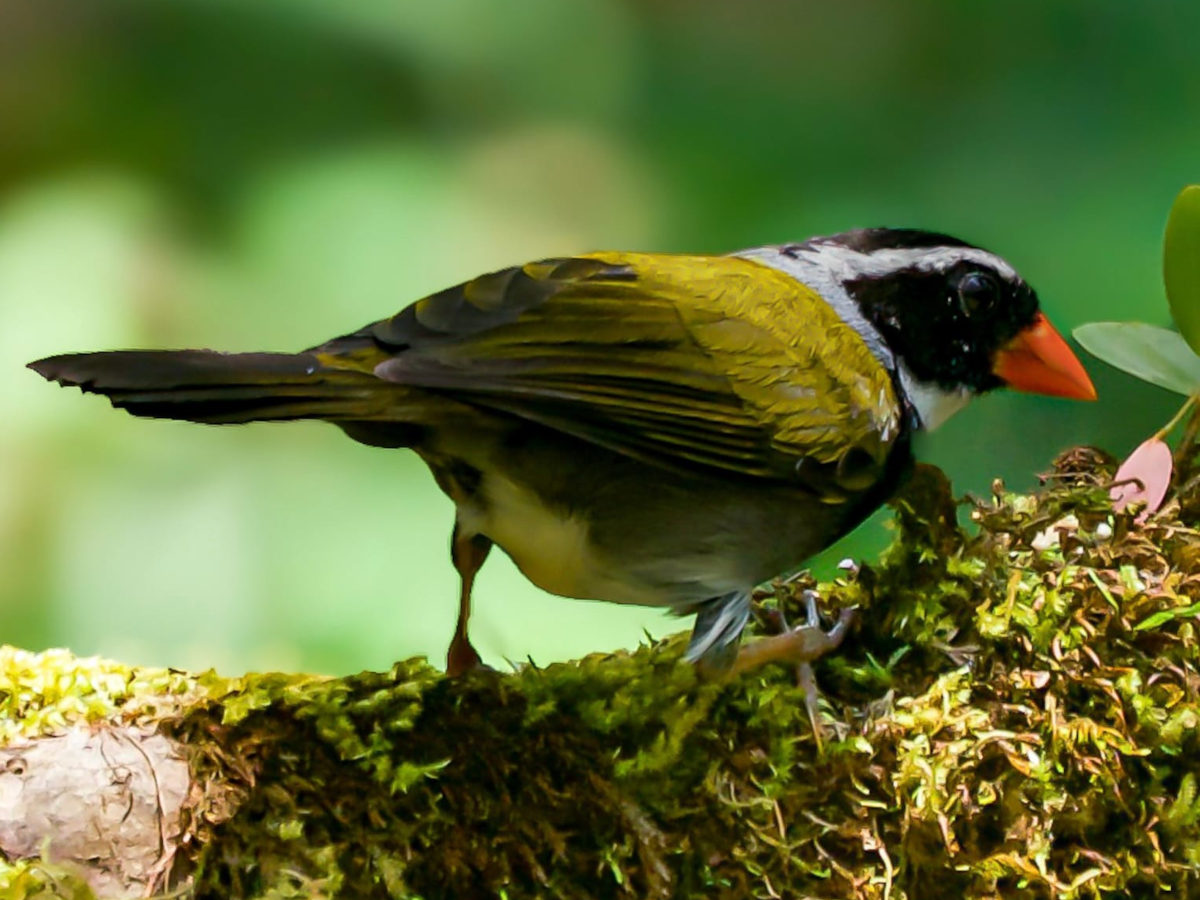
About Altos de Campana
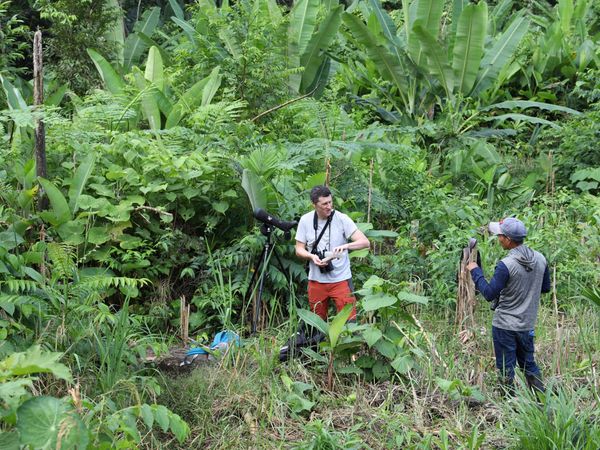
Altos de Campana National Park is about 50 km (1 hour 15 minutes) west of Panama City. It is known for its steep rock formations and views of the Pacific, with evergreen lowland and submontane forest. Its peaks include Cerro Campana (about 1,000 m), Cerro Trinidad, Peña Blanca and Los Monos, and it protects rivers on both the Pacific and Caribbean slopes.
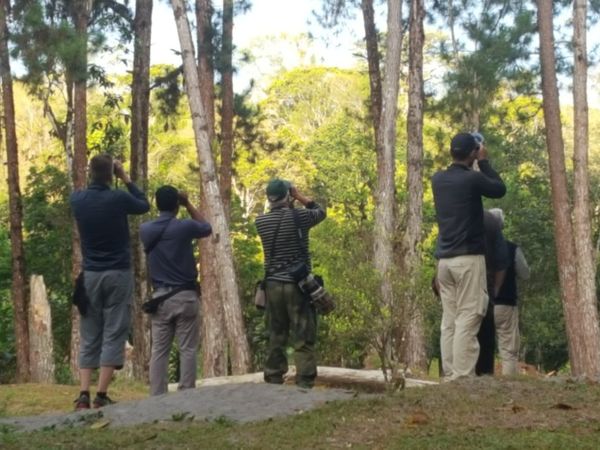
We bird mostly along a set of easy, well-kept trails (Panamá, La Cruz and Podocarpus), with stops on the way up to check grassy areas and forest edges. We look for foothill species in the moist submontane and cloud forest on the park's slopes.
What to expect
With an early start, expect to see 40 to 60 species by noon. By the end of the day, a final count of 85 or more is common. The park's bird list has more than 300 species.
Combine it: Altos de Campana is on the way to El Valle, so the two pair well over two days.
Birds to look for
This list comes from our own tours, plus sightings shared by friends and clients. It changes all the time, so send us your sightings at info@guidedbirdtours.com. For everything else, see the Central Panama bird list.
Specialties
- Black-crowned Antpitta (rare)
- Orange-bellied Trogon
- Black-and-yellow Tanager
- Silver-throated Tanager
- White-ruffed Manakin
- Black-headed Antthrush
- Purplish-backed Quail-Dove
- Green Shrike-Vireo
- Ochraceous Wren
- Tawny-capped Euphonia
- Bicolored Hawk
- King Vulture
Also look for
- Red-crowned Ant-Tanager
- Garden Emerald
- Stripe-breasted Wren
- Yellow-crowned Euphonia
- Scrub Greenlet
- Rufous Mourner
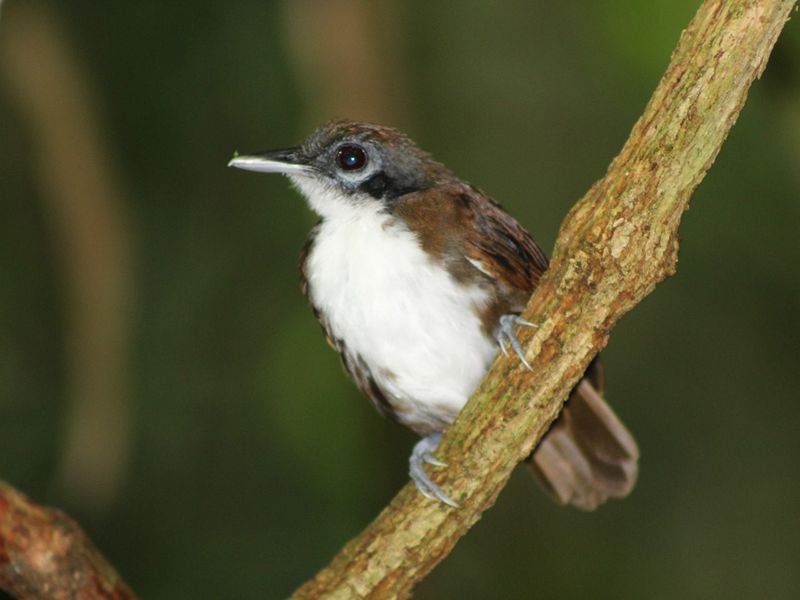
- Bicolored Antbird
- Dusky Antbird
- Acadian Flycatcher
- Piratic Flycatcher
- Lesser Elaenia
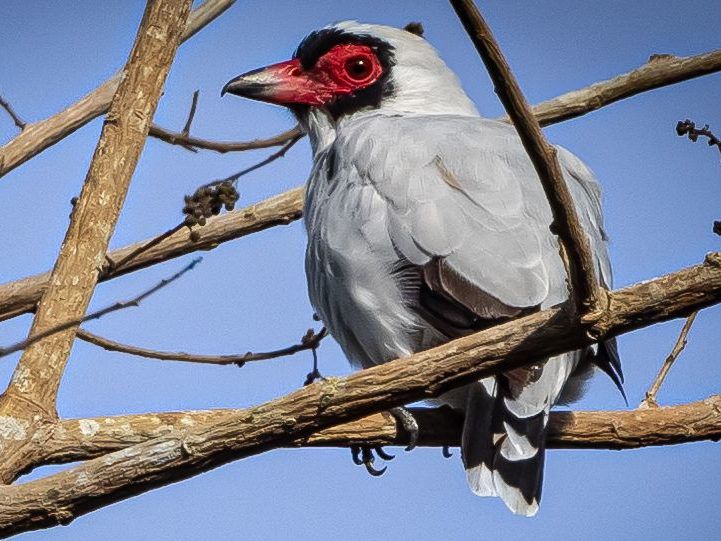
- Masked Tityra
- Yellow Warbler
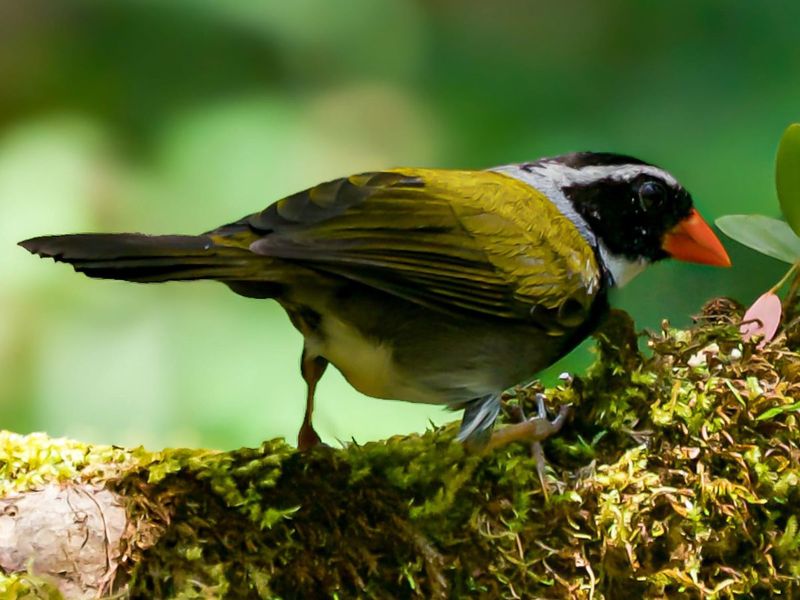
- Orange-billed Sparrow
- Blue-gray Tanager
- Bananaquit
- Lineated Woodpecker
- Whooping Motmot
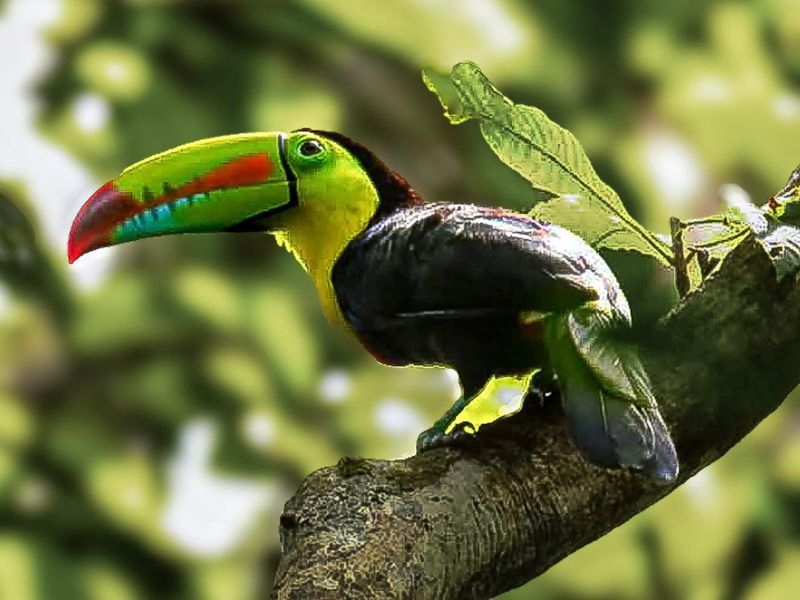
- Keel-billed Toucan
What have we seen lately? Our guides log their sightings on eBird, the bird-checklist database run by the Cornell Lab of Ornithology. See our recent checklists from Altos de Campana National Park and the rest of Panama.
Practical information
Weather
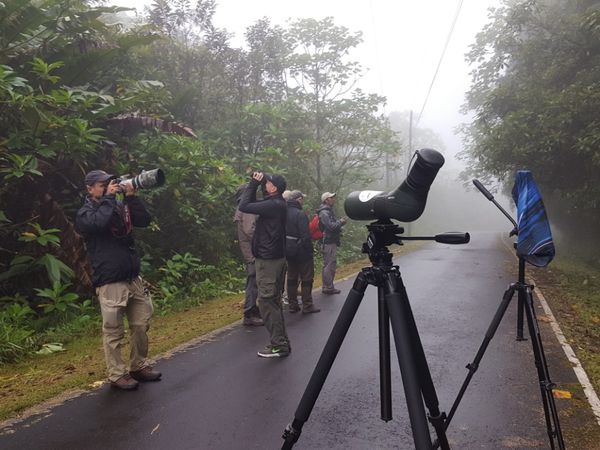
Foggy mornings, some windy moments and scattered showers during the day. Cooler than Panama City, especially early.
What to wear
Layers: a light jacket or fleece for the cool morning, then light clothes. Waterproof hiking shoes for muddy trails, a poncho, insect repellent and sunscreen.
What to bring
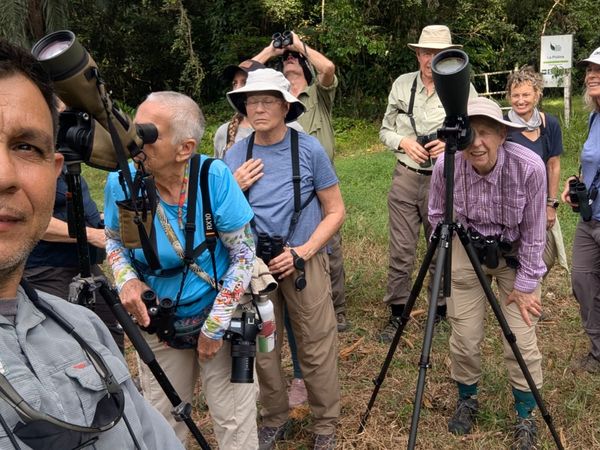
Binoculars, a notebook and a camera if you like. Your guide carries a spotting scope and a field guide, and we bring drinking water.
Staying nearby
Campana is easy as a day trip, or as a stop between Panama City and El Valle. Lodging is available in the area; ask us.
Food
There is nowhere to eat near the park itself: we bring a packed lunch or drive 15 minutes to Capira. Each traveler pays for their own meal.
Field guides we recommend
The Birds of Panama: A Field Guide by George Angehr and Robert Dean (2010), the main reference for Panama. An Illustrated Field Guide to the Birds of Panama by Ernesto Ponce and Giselle Muschett (2006), handy for quick checks.